We trained more than 300 commercial team members to bring their company’s climate strategy into customer conversations — and 95% of those who answered our follow-up survey had gone on to do it
Client: A global ingredients company (confidential)
Sector: Food Ingredients · Corporate
Service: Education
Location: Multiple regions · Year: 2024–2026
Result: More than 300 commercial and cross-functional team members were trained in person, in English, Spanish and Portuguese. In a follow-up survey one year after the training with 44 respondents, 95% had brought the company’s sustainability strategy into customer conversations, and 65% had done so multiple times. Confidence in communicating sustainability to customers rose from 59% in the survey participants answered before the training to 81% in the survey they answered at the end of it.
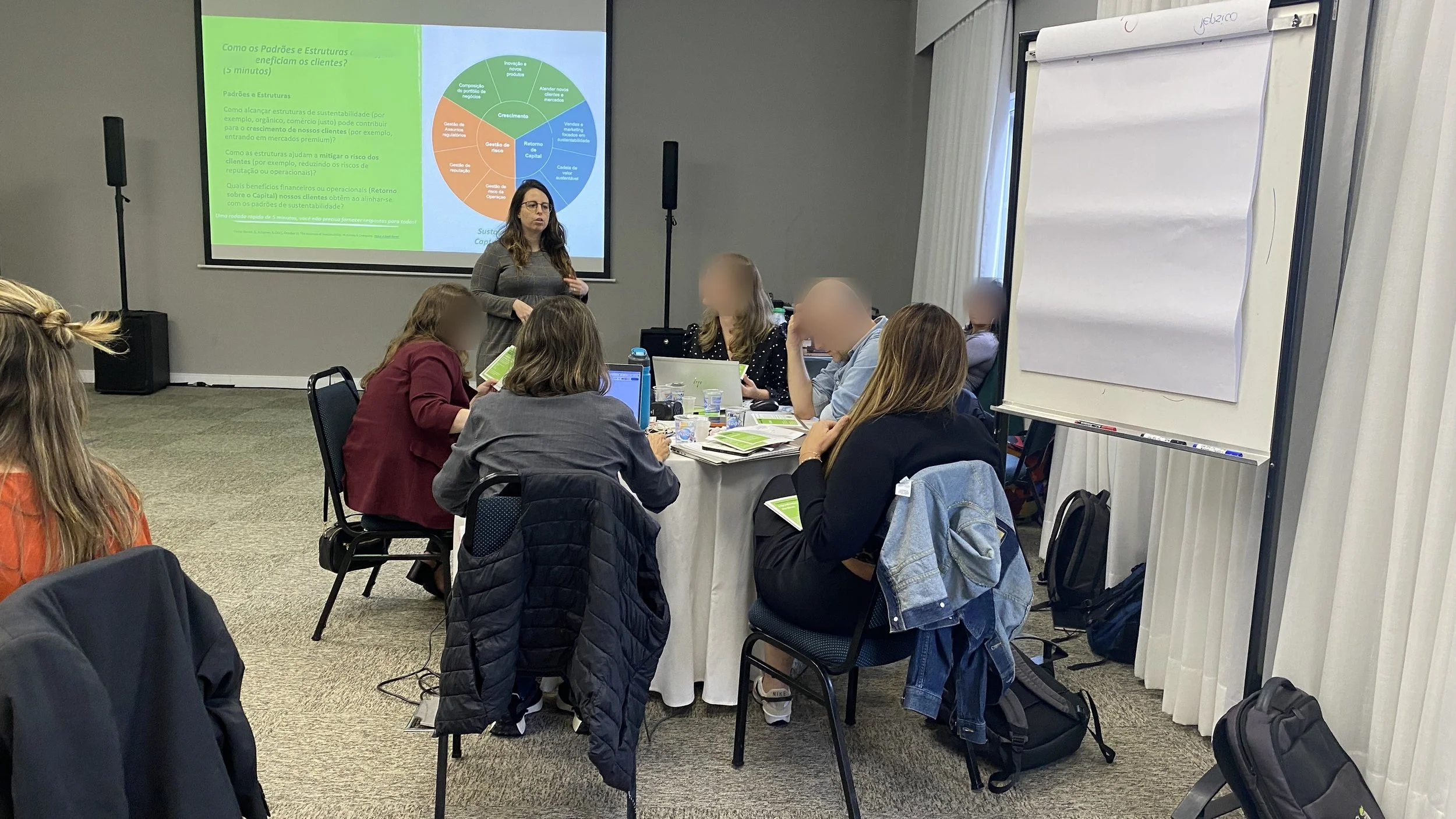
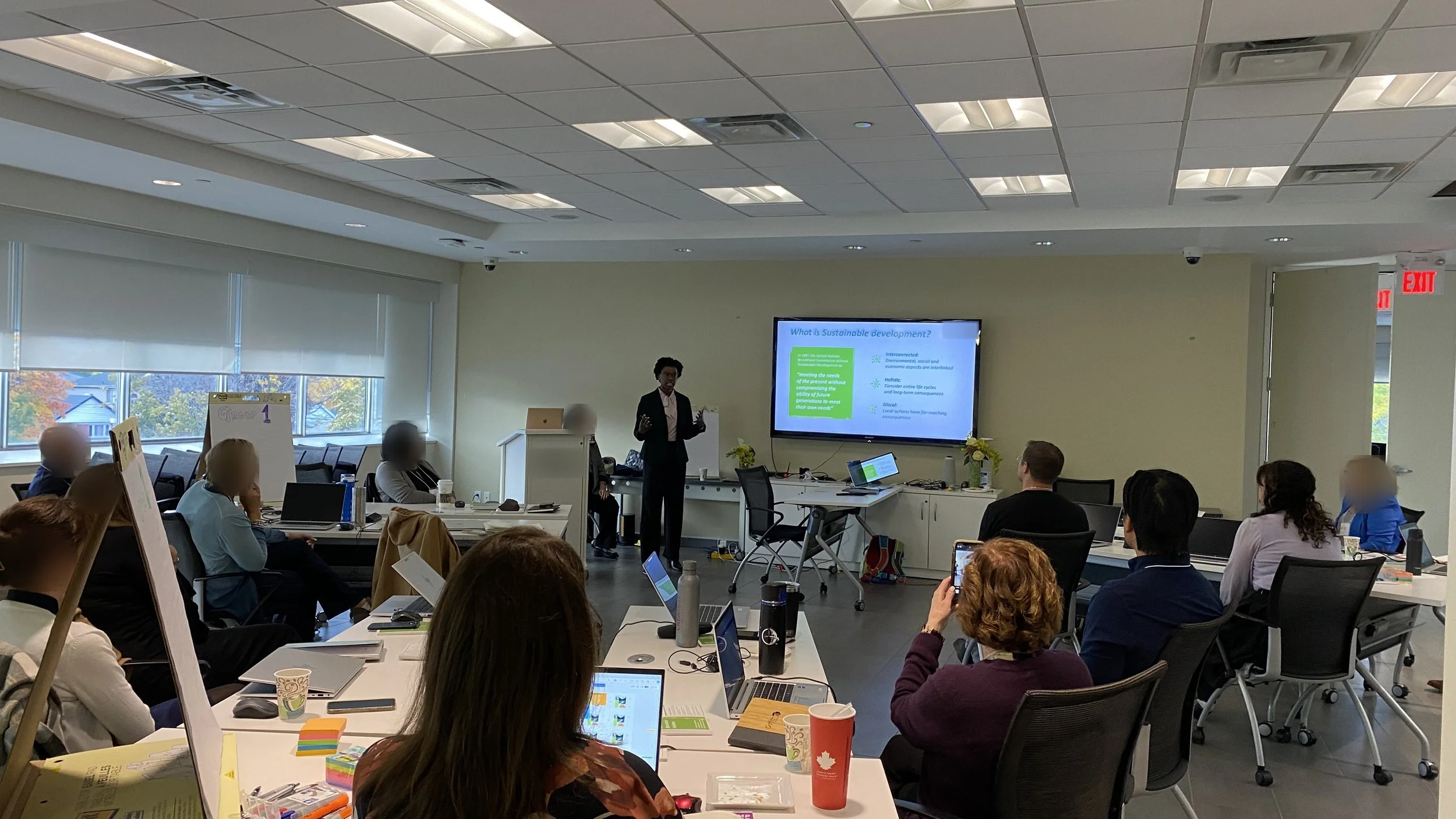
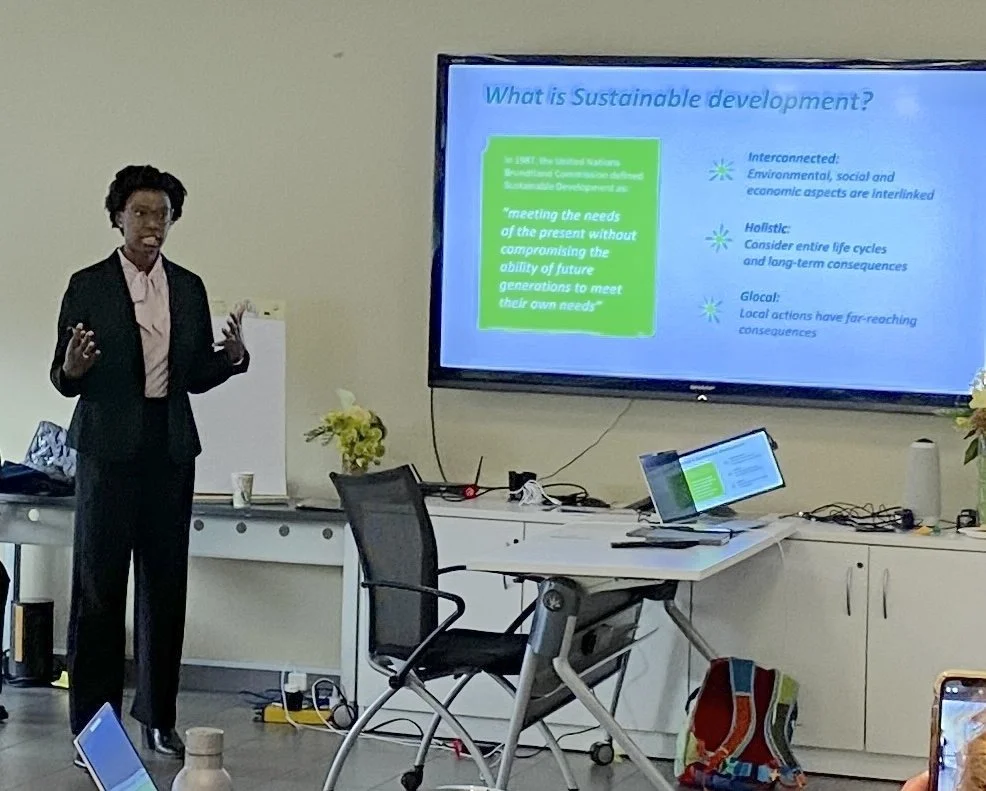
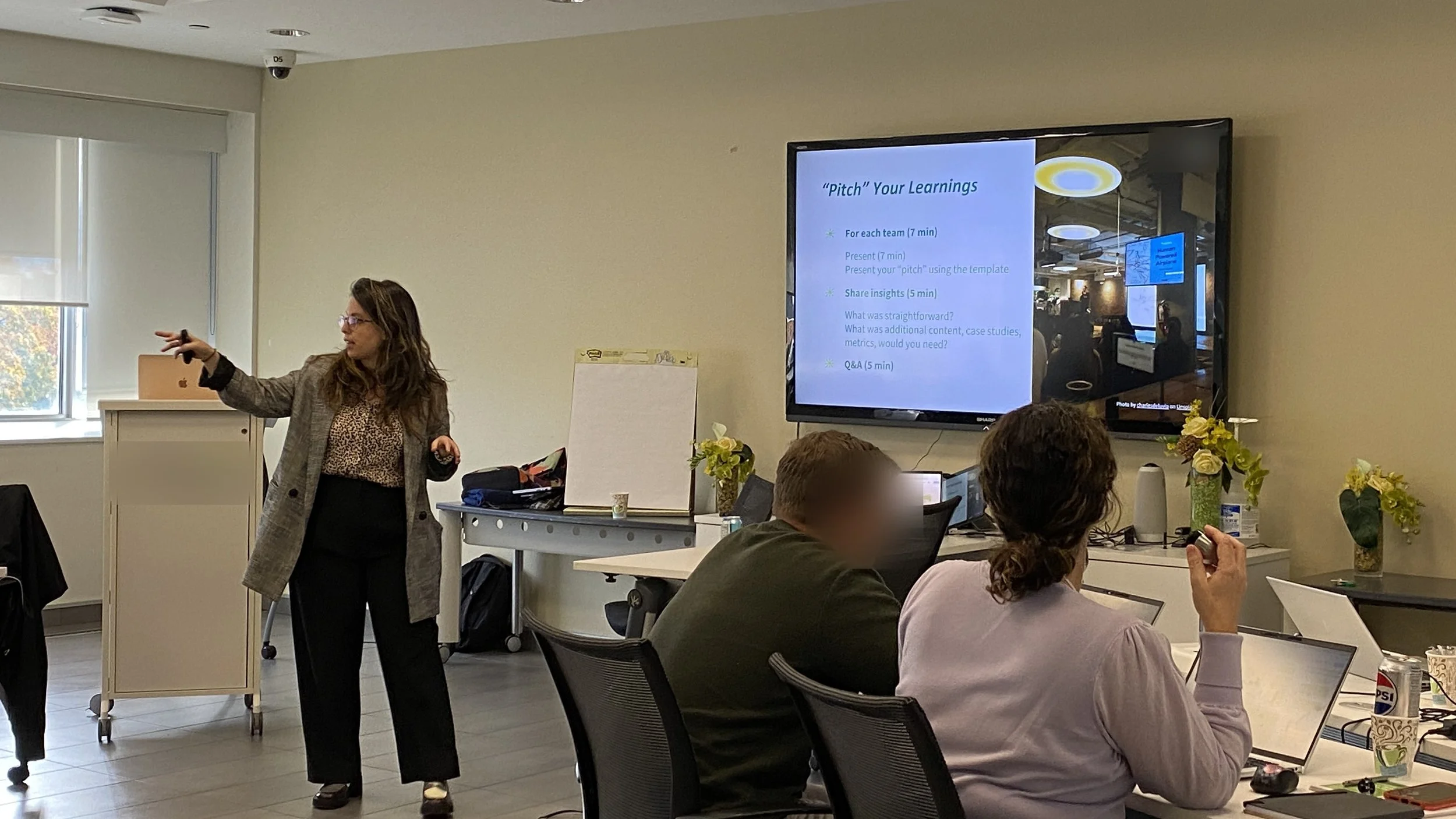
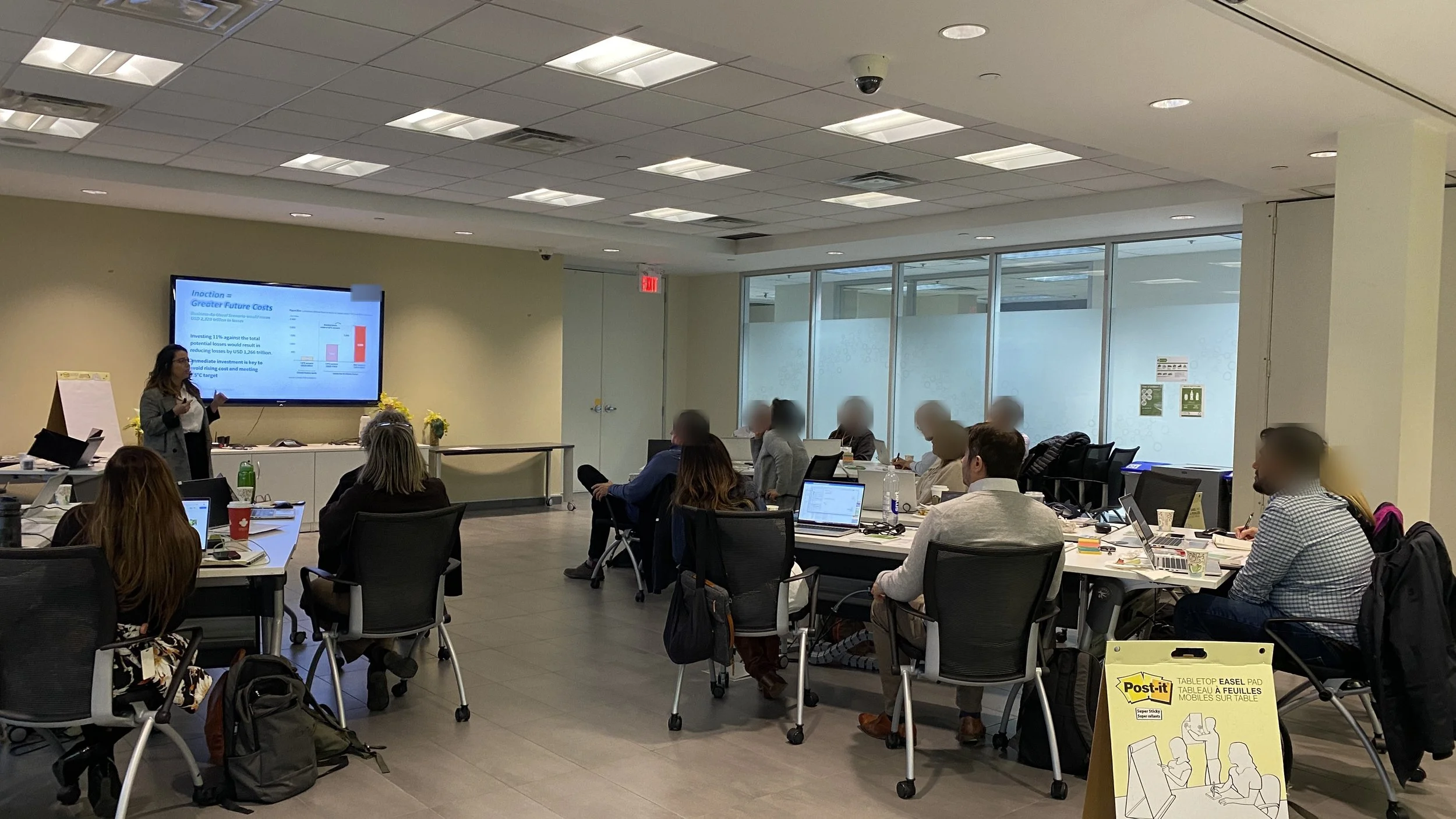
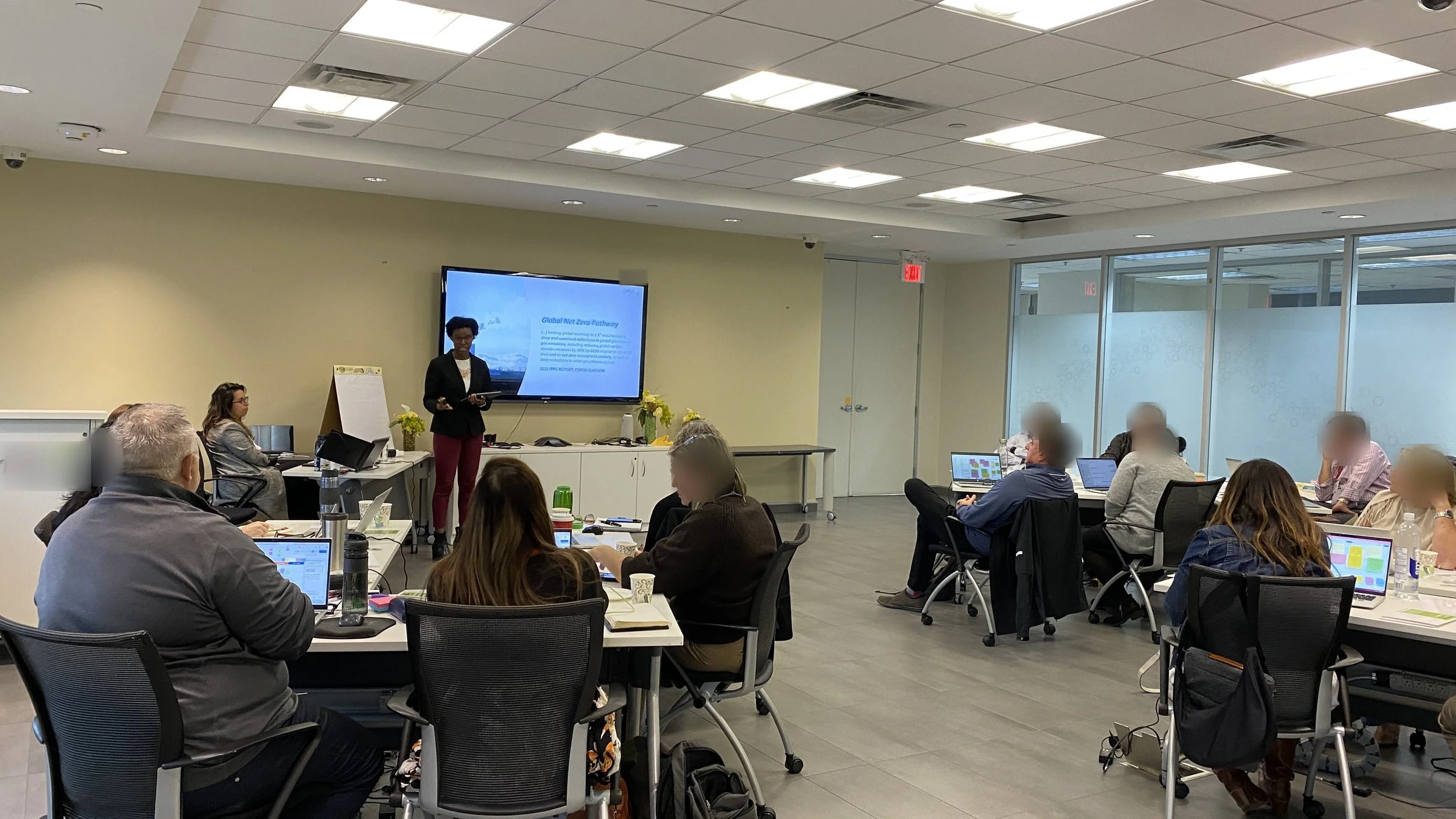
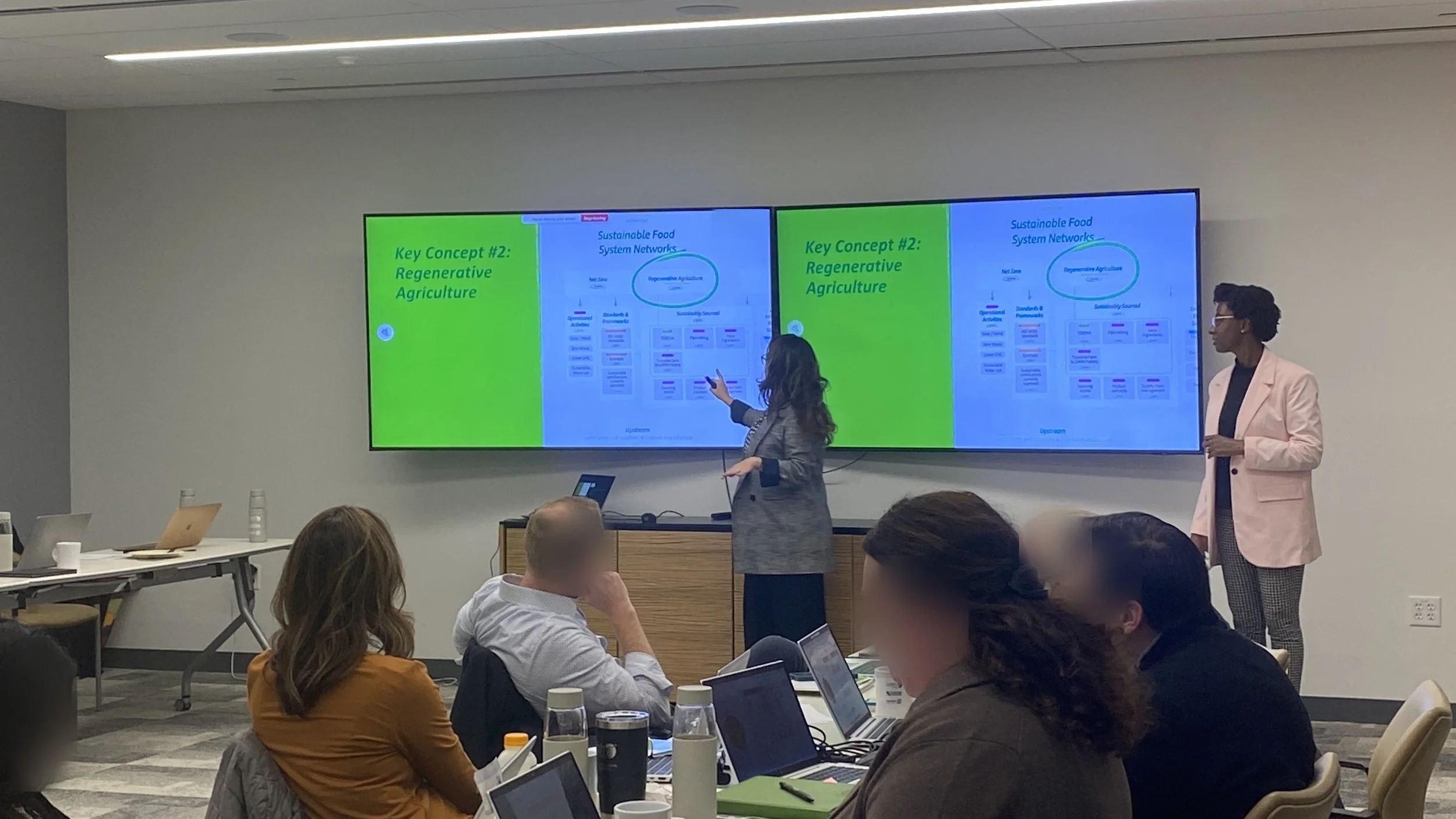
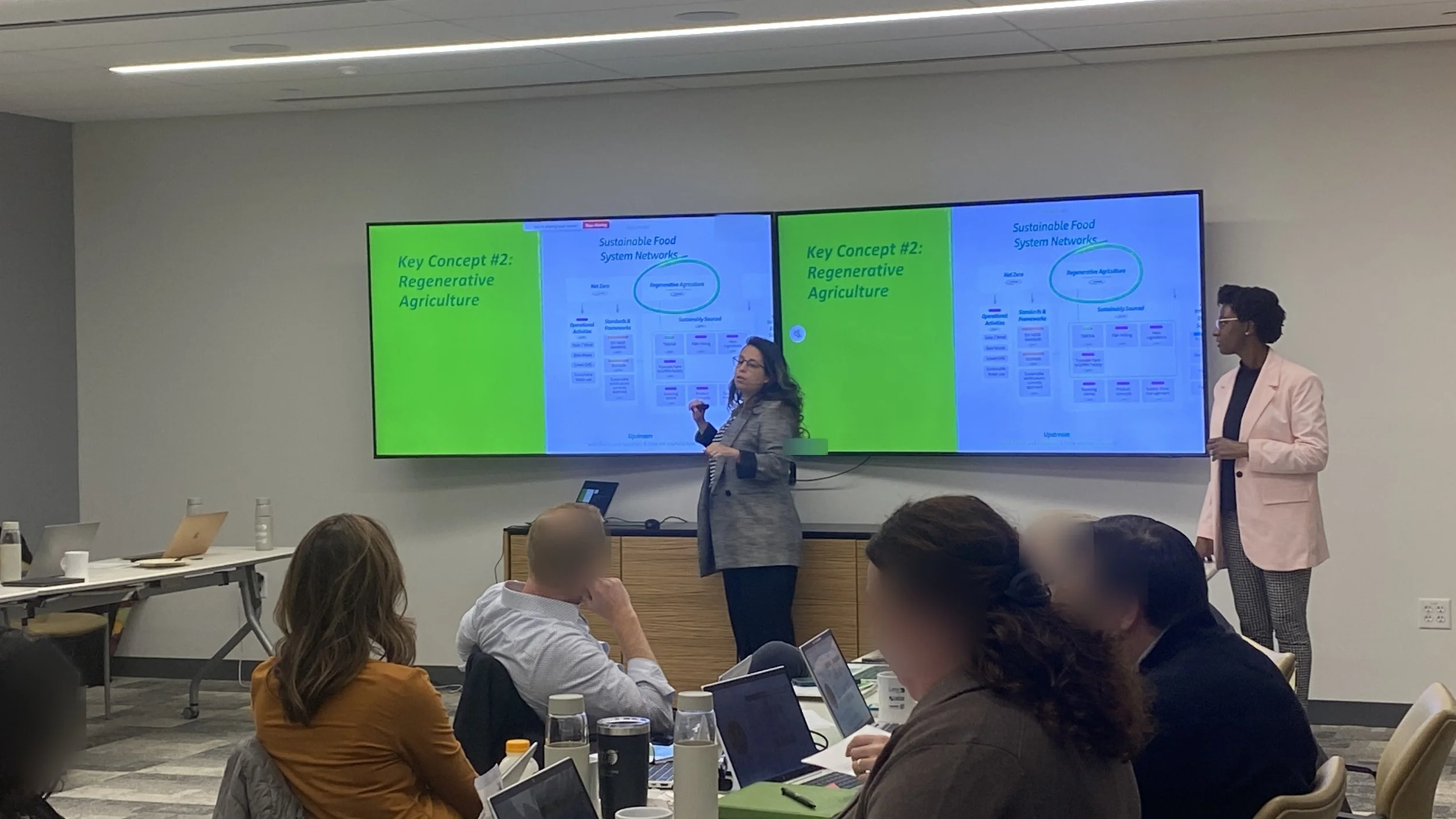
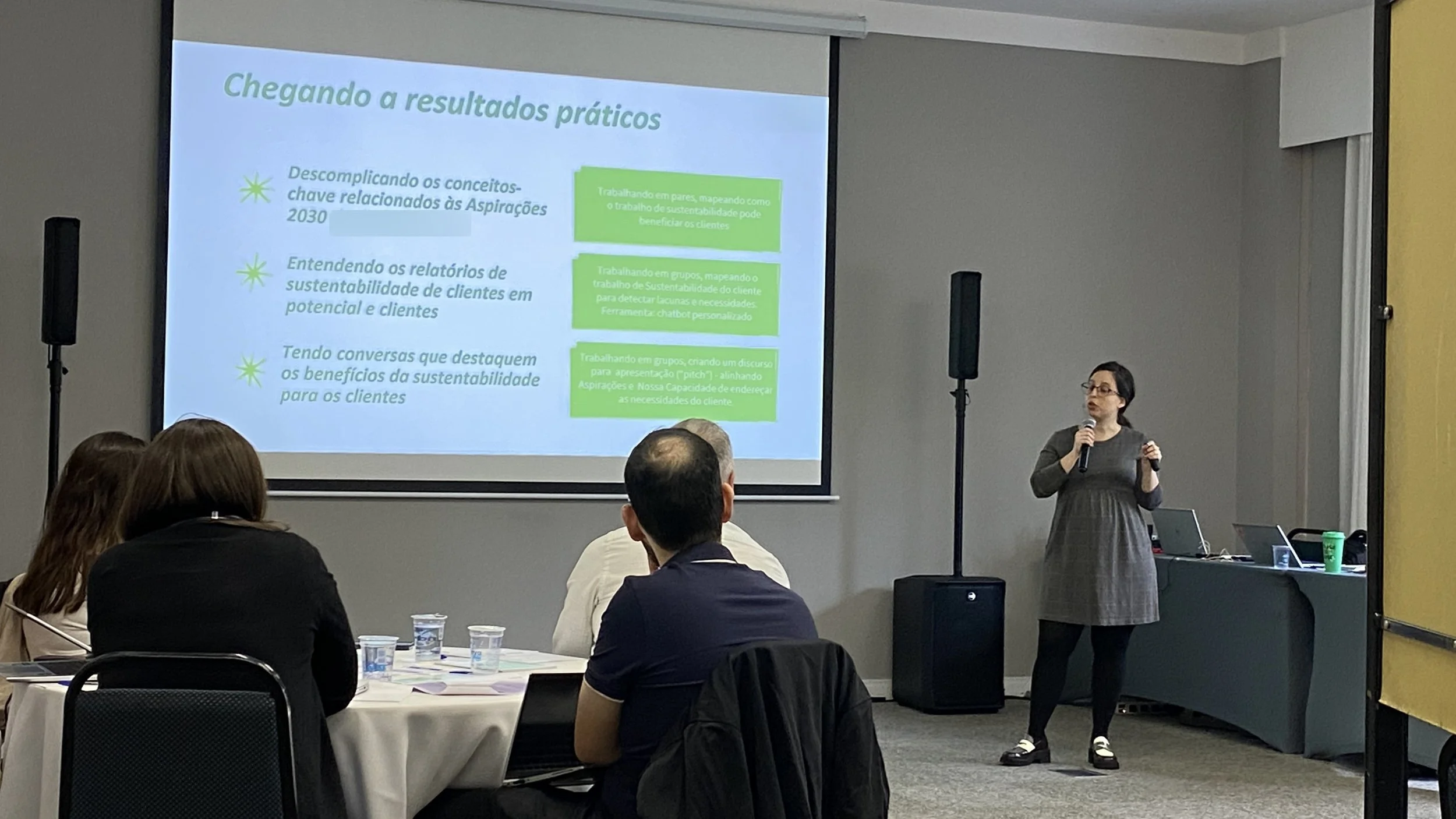
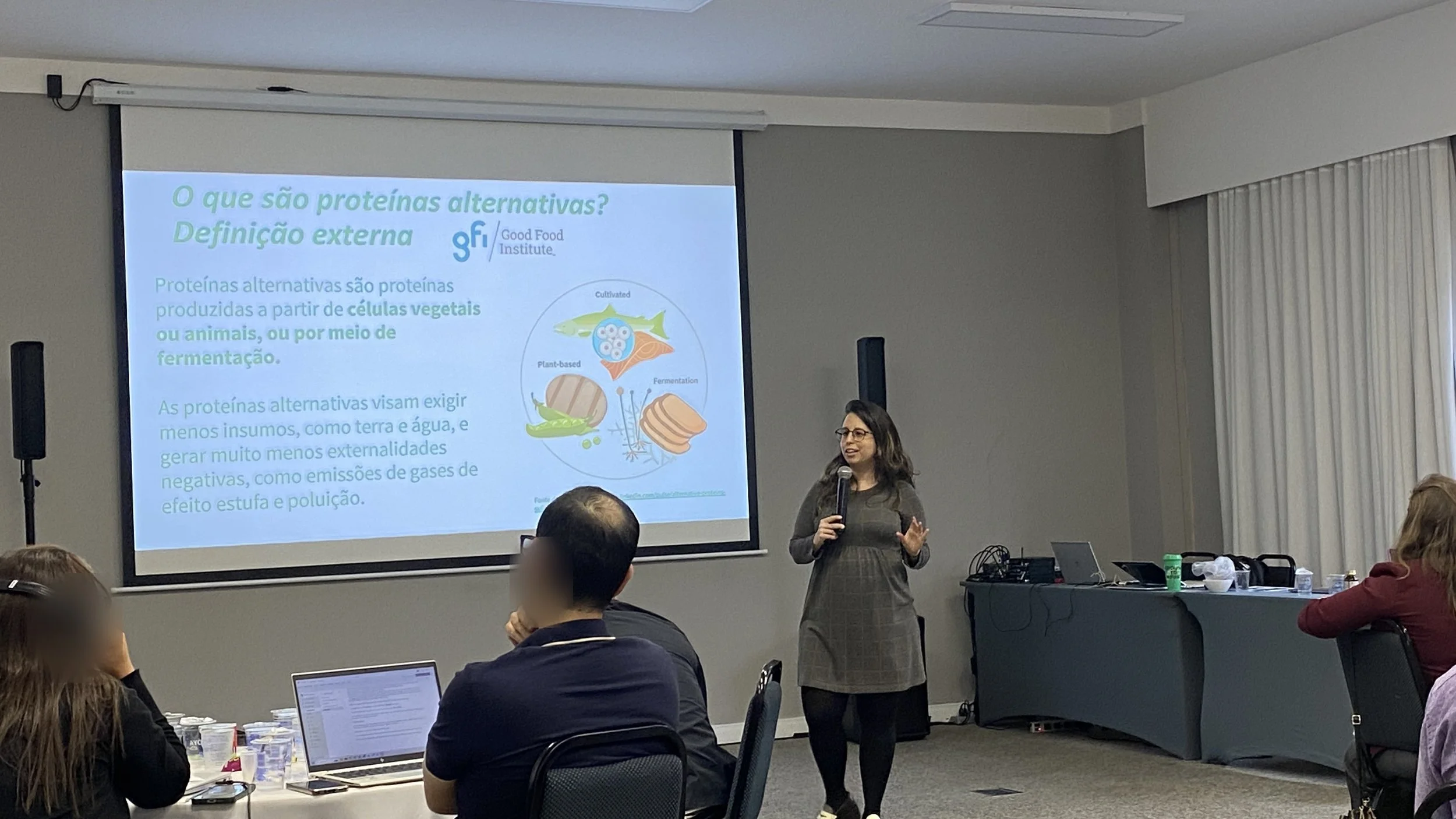
The client is a global ingredients company that supplies food manufacturers and foodservice providers across several market segments, and it runs its business and its sustainability strategy as one integrated plan. It had defined a Climate Strategy and presented it to a group of more than 100 leaders, and regional teams had completed training with positive knowledge assessments and high completion rates, but the strategy had not yet reached the full sales organisation worldwide.
The people closest to customers knew what the strategy said, and often could not say what it meant for the buyer in front of them, so sustainability was not appearing consistently in client conversations, in responses to requests for proposals (RFPs), or in sales strategies.
Mycelium Gastronomy Network (MGN) designed and delivered a training programme that taught commercial teams what the strategy contains and also how to use sustainability as a lens for practical decisions and as a competitive argument with customers.
The Challenge
How might we take culinary professionals from a hunch to a market-validated venture pitched to a professional jury — across a single integrated programme?
How we tackled it
Discovery & Strategic Diagnosis
MGN began with intensive discovery rather than jumping to solutions. Our team interviewed stakeholders, including business developers, regional leaders, and sustainability team members, and reviewed a sample of existing client conversations, sales materials, and strategy documentation. We ran a self-assessment survey to understand team members’ current knowledge, skills, and confidence in communicating the Client’s sustainability initiatives to customers and partners.
Three insights shaped everything that followed:
Knowledge exists, but context is missing.
Fear of saying the wrong thing
Customers are already telling you what they care about
Design Principles
Based on discovery insights, MGN designed a one-day, in-person workshop built around three principles:
Operational relevance: tools people can use the next day
Business language: competitive advantage and risk management, not compliance jargon
Practice: role-play and group work, not lectures
Connecting the Narrative
A key discovery during the diagnostic phase was that the sustainability story was often communicated in isolated pieces. MGN addressed this with its Signal Map Methodology: a collaborative visual framework that maps how the Client’s individual sustainability initiatives connect to its broader strategy. Supporting story cards and region-specific reference materials documenting individual initiatives and customer examples gave teams the building blocks. The Signal Map gave them the architecture for combining those building blocks into a compelling, client-relevant narrative.
Three Workshop components
Understanding the strategy: the strategy’s key parts, concepts such as regenerative agriculture and net zero, and the regulatory and market context in their region
Reading customer reports: a structured way to read a customer’s sustainability report for priorities and alignment, using SporeBot, MGN’s custom AI assistant, to find insights fast
Translating strategy into customer value: shifting from product-led to customer-needs-led conversations, and presenting sustainability as a value proposition
Delivery at scale
In-person sessions delivered regionally to 300+ commercial and cross-functional team members, adapted for Spanish and Portuguese. SporeBot supported hands-on practice in English, Spanish, and Portuguese. Training is half the battle. Adoption is where most programs fail. MGN built change management into the program design: leadership alignment, peer learning, real-time feedback, and recognition systems.
Measuring behavior in the field
To test whether training became behavior, MGN ran a follow-up Value Mapping Survey across regions with 44 respondents. The conversations most often came up in new product development and account planning, followed by sustainability questions from customers and contract renewals. Risk mitigation and competitive differentiation were the arguments that landed best. Cost and ROI objections remained the most common barrier, and the second phase of the partnership is designed to take this on directly.
Deliverables
Stakeholder interviews and a self-assessment survey across regions
Signal Map of the Client’s sustainability initiatives
Region-specific story cards
One-day in-person workshop, delivered regionally to 300+ participants in 12 locations globally
Interactive workbooks and ongoing reference materials
SporeBot access in English, Spanish and Portuguese
Follow-up Value Mapping Survey (44 respondents)
Phase 2: a four-module, globally deployable e-learning program (ready to launch)
Download the full case study
The 19-page case study explains how Mycelium Gastronomy Network (MGN) helped a global ingredients company bring its Climate Strategy into the sales conversations its teams have with customers. It describes the challenge the client faced, the training programme MGN designed and delivered, and what that programme produced. Enter your details below and a link to the PDF will appear on this page.
Meet the Team Involved
Estefania Simon-Sasyk
Daniel Riveong
Jennibeth Paglinawan
Leah Jones-Crank
Felipe Andrade
Lua Couto
“Working with the Mycelium team accelerated our team’s awareness, familiarity, and comfort in sharing our company’s ambitious sustainability goals. The custom curriculum was so seamlessly absorbed into the company’s brand style, language, and outlook that it felt easy to integrate and build on. The team’s collaborative approach and focus on success measures led to the development of one of the most effective training programs launched at our multinational company to date.”
“I can’t express enough how appreciative I am of all the work you have done for us in upskilling our sales teams across the globe. Your stamina, ability to adjust and pivot to feedback, and push to think differently have raised the bar on what a strategic business partner is.”
“The training gave us courage to approach clients about sustainability. We now have the tools to study client needs before conversations and position the Client as a strategic partner.”