ITC × Eswatini Entrepreneurs
We co-developed new products with Eswatini entrepreneurs — and two of them now sit on retail shelves
Client: UN International Trade Centre (ITC)
Sector: International Development
Service: Strategy (NPD)
Location: Eswatini · Year: 2024
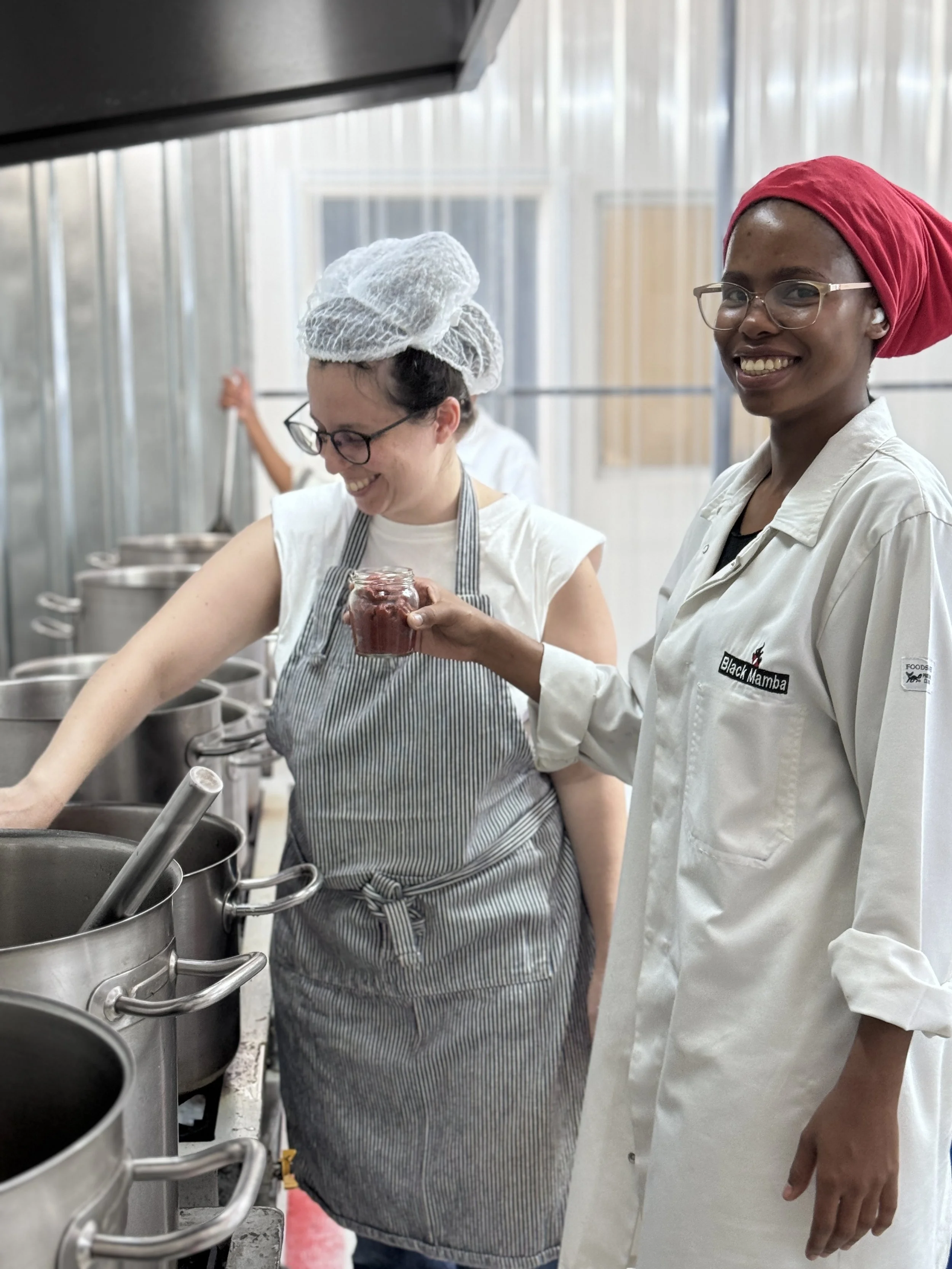
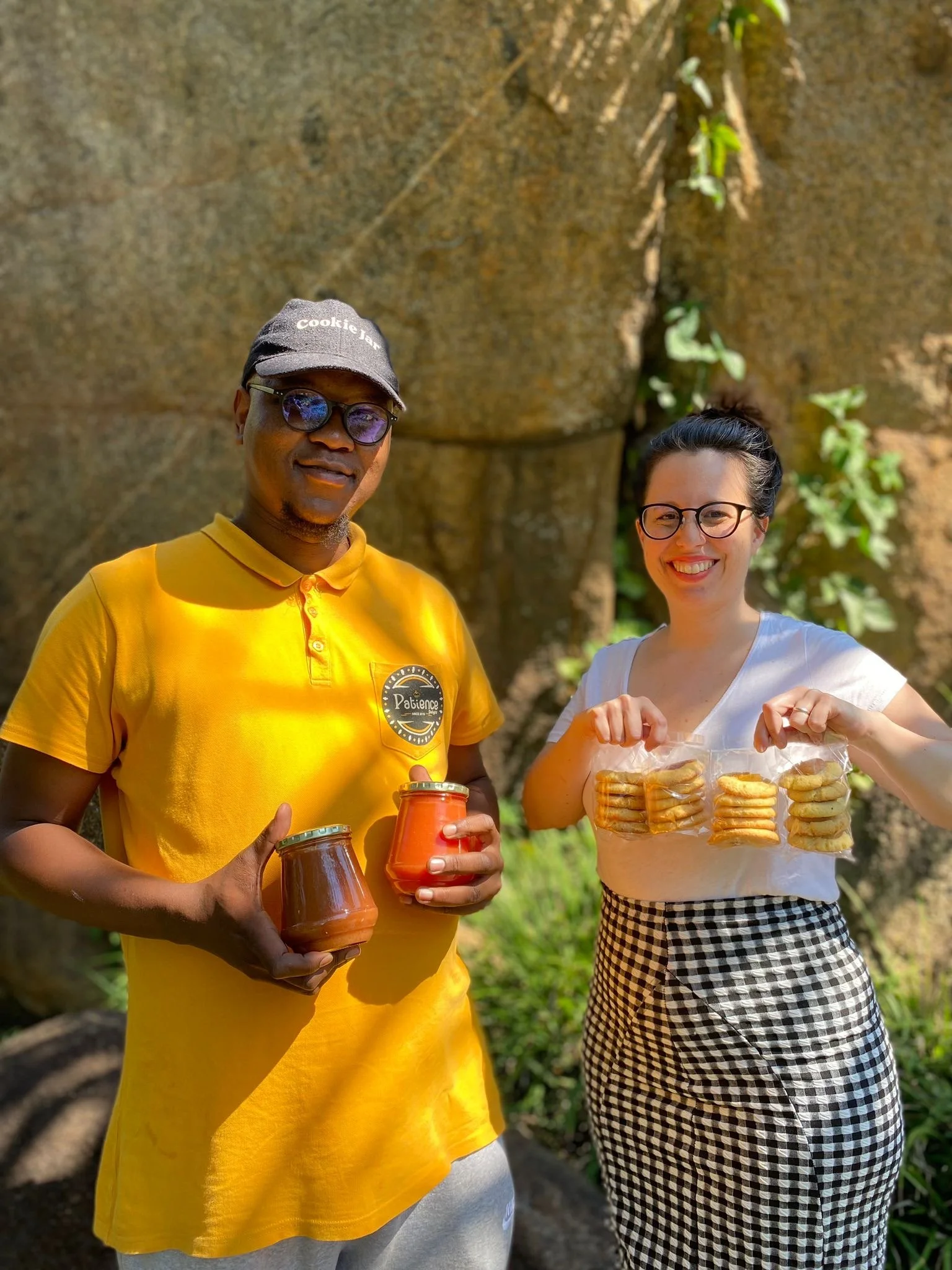
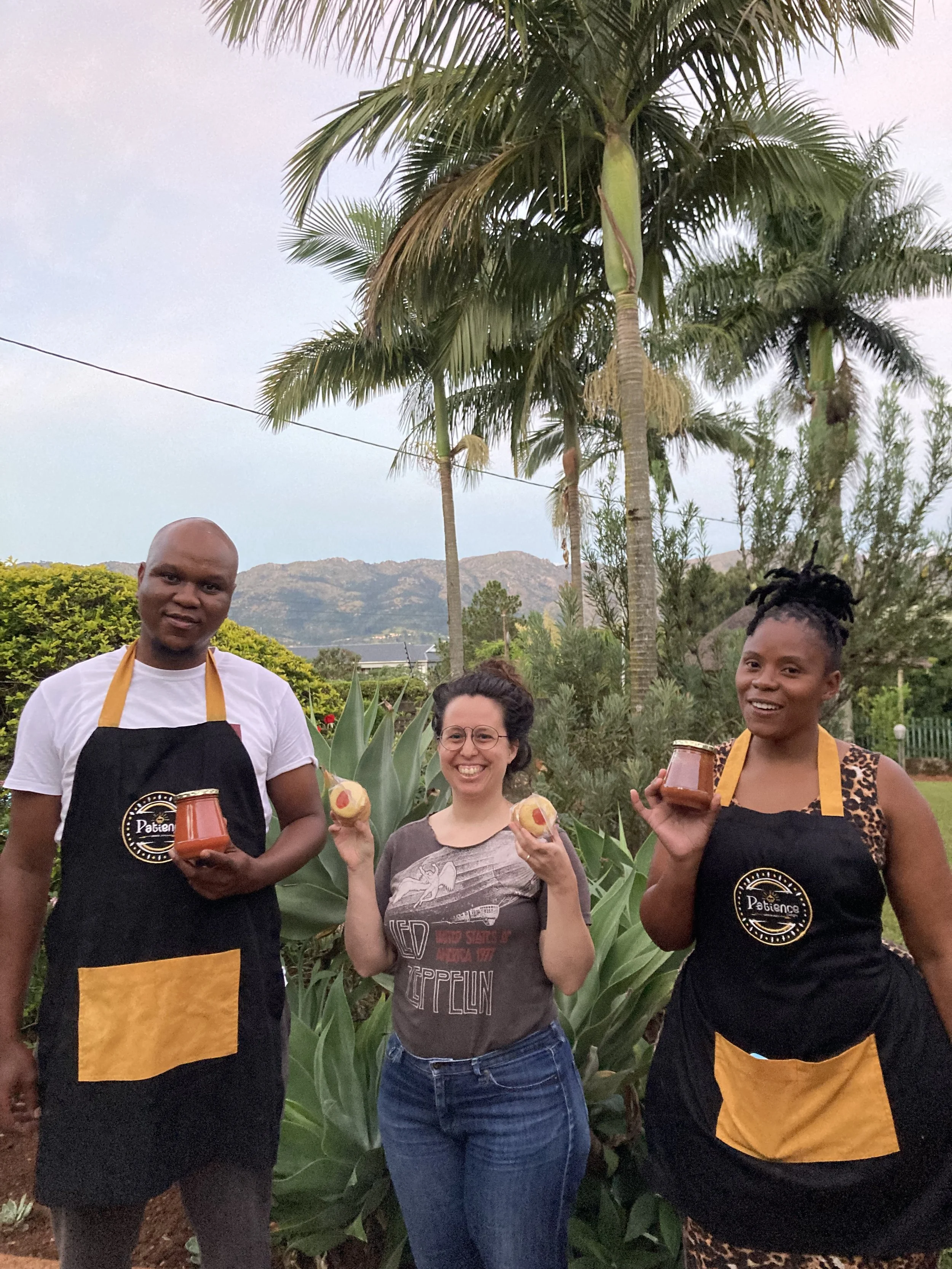
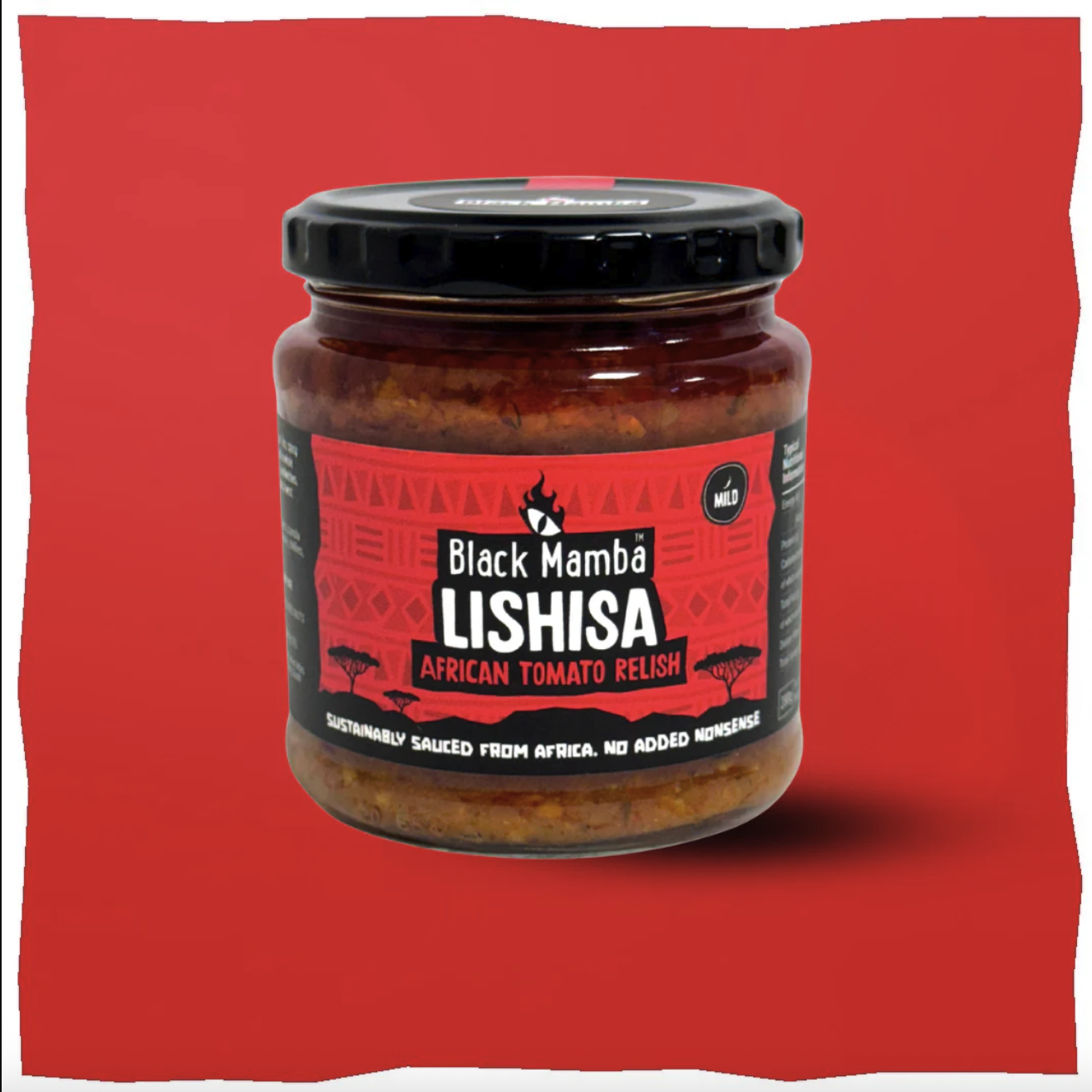
Result: Two new products co-developed with Eswatini SMEs through a UN ITC matchmaking programme are now available — a corn-meal biscuit and a banana jam from Patience Delight, and a distinctly African relish “Lishisa” from Black Mamba stocked at retail
Mycelium, in collaboration with the Public University of Navarra (UPNA), orchestrated the groundbreaking "Resto Zero" workshop.
This innovative event brought together over 60 students from diverse food industry backgrounds to tackle the challenge of transforming kitchen waste into cutting-edge culinary creations.
Through a unique blend of expert insights, hands-on experimentation, and collaborative problem-solving, we ignited a powerful movement towards sustainable gastronomy practices.
From discarded to delicious: Empowering the next generation of culinary innovators to revolutionize food waste management.
The Challenge
How might we co-develop commercially viable, export-ready products with two Eswatini food enterprises — in a single week on the ground?
How we tackled it
Alignment
Before traveling, we ran strategic-alignment sessions with each SME — Black Mamba, a chilli and condiments brand led by Claudia Castellanos, and Patience Delight, a snack and preserves brand led by Lungelo Dlamini — to map their objectives, technical capabilities, price points, and legal constraints. The deliverable was a written brief per SME defining who we were developing for and the boundaries we had to work within.
Market research & design guidelines
We produced a short market-research report for each SME — competitive landscape, differentiation opportunities, and customer segments — and translated the findings into design guidelines. These guidelines became the brief for the on-site product development sprint and the test against which prototypes would be evaluated.
Brainstorming with the network
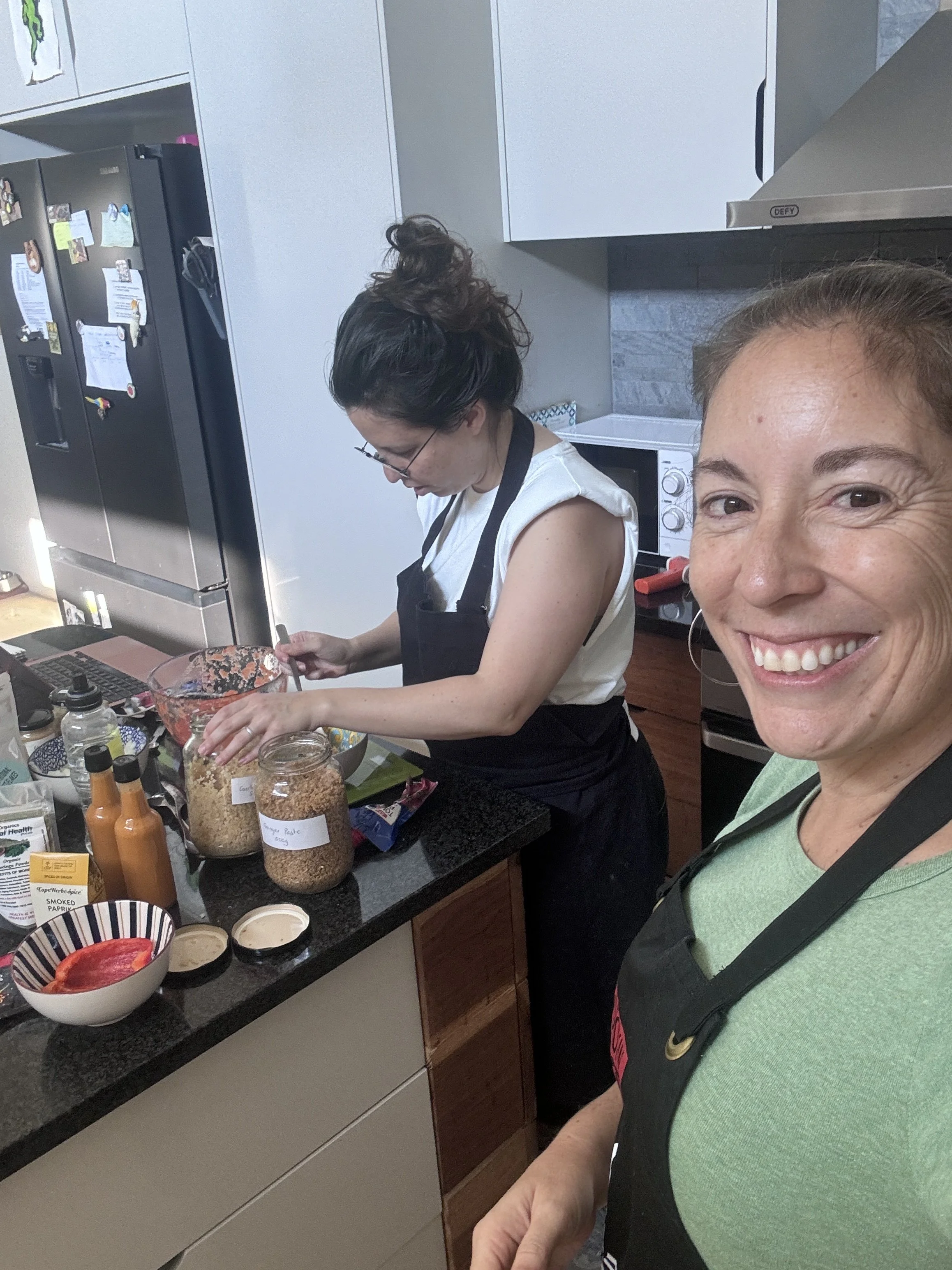
For each SME, we brought 2–3 Mycelium network experts into a brainstorming session alongside the SME's own team — chefs, food technologists, and designers contributing context-appropriate ideas. After ideation, we evaluated the strongest concepts together with each SME using a "real / win / worth it" filter to keep only the commercially viable ones.
On-the-ground week in Eswatini
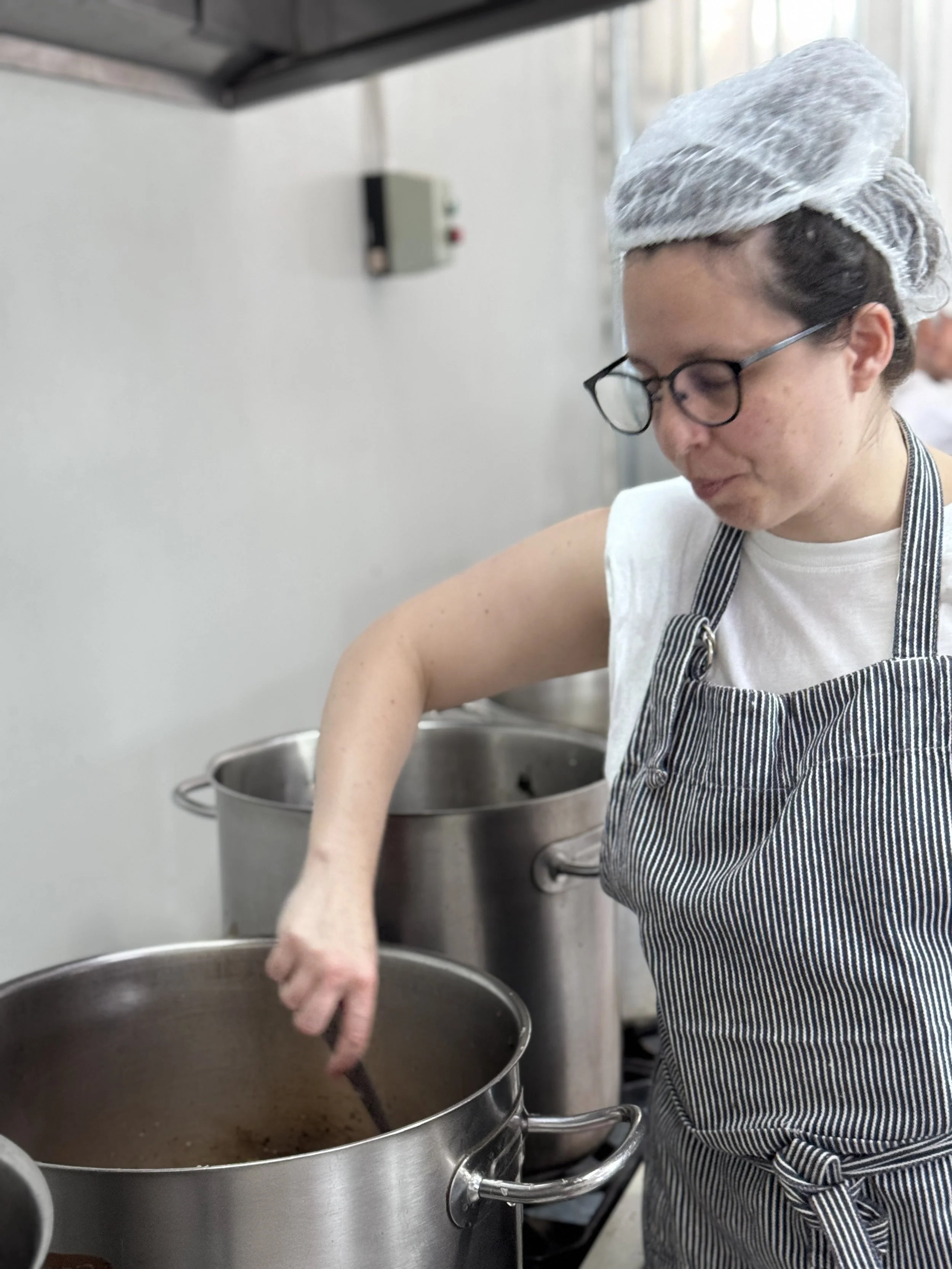
From the 15th to the 20th of April 2024, our team flew to Eswatini for a one-week intensive: recipe development, prototyping in each SME's facilities, tasting, and iteration against the design guidelines we'd agreed upfront. The week ended with a set of tested, refined prototypes for each brand.
Ongoing support
We stayed in contact through the months that followed, offering hourly support as products moved from prototype to launch.
Deliverables
Strategic-alignment brief per SME
Market-research report per SME
Design-guidelines document per SME
Network-led brainstorming session per SME
Joint ideas-evaluation session per SME
A week of on-site recipe development & prototyping
Tasting and evaluation against guidelines
Ongoing development support
Meet the Team Involved
Estefania Simon-Sasyk
Alegría Serna
Silvia Berciano
Yulie Meneses
Mmabatho Molefe
Idoya Fernández-Pan
Blanca del Noval
Cristina Reni