Hospitality Training for Employment Seekers (Santa Susana)
We trained employment seekers to find jobs in the hospitality industry
Client: Santa Susana City Council (Economic Promotion)
Sector: Government · Workforce
Service: Education
Location: Santa Susanna, Spain · Year: 2022
Result: A two-week culinary programme equipping 10 local employment-seekers with the skills to find work in the hospitality industry
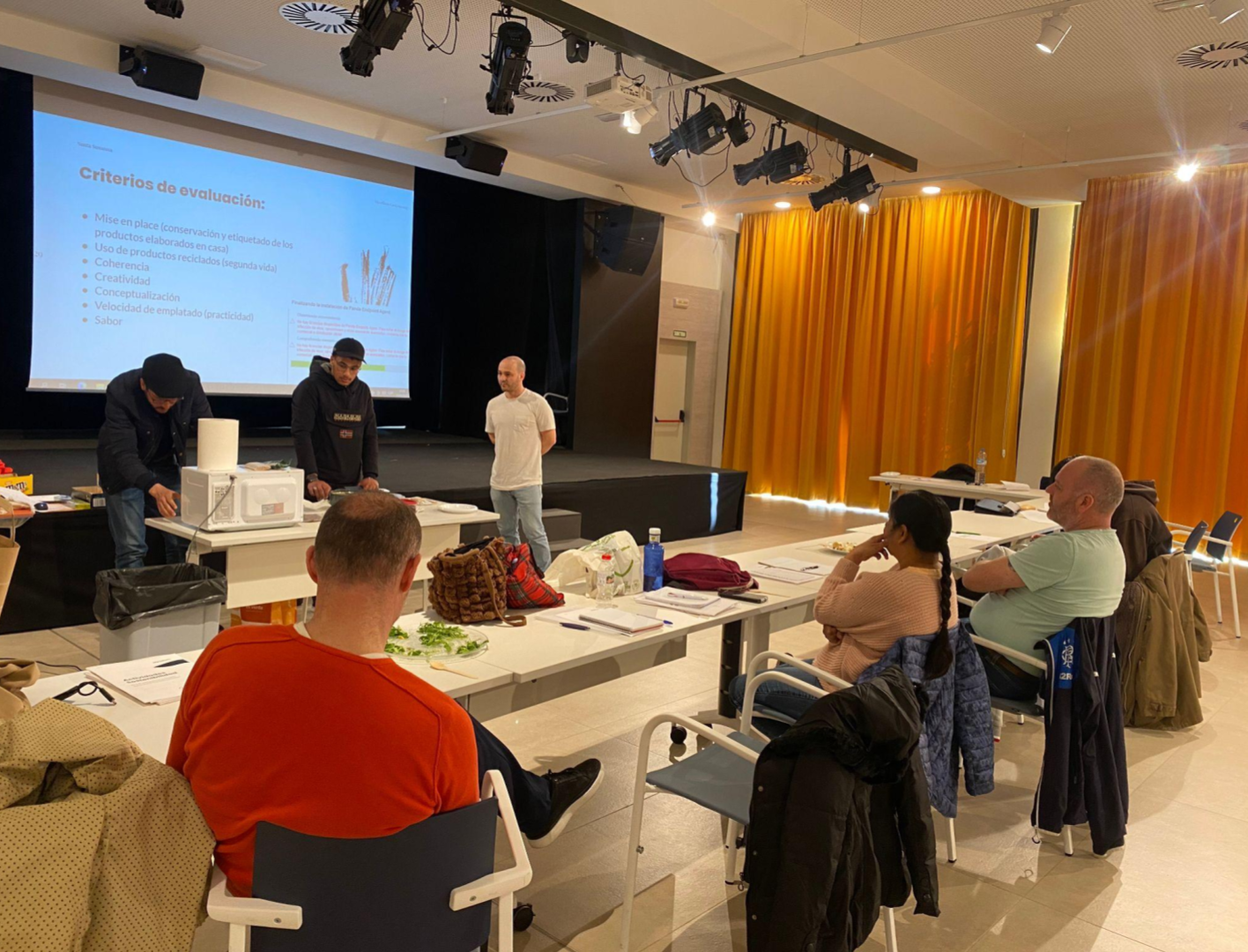
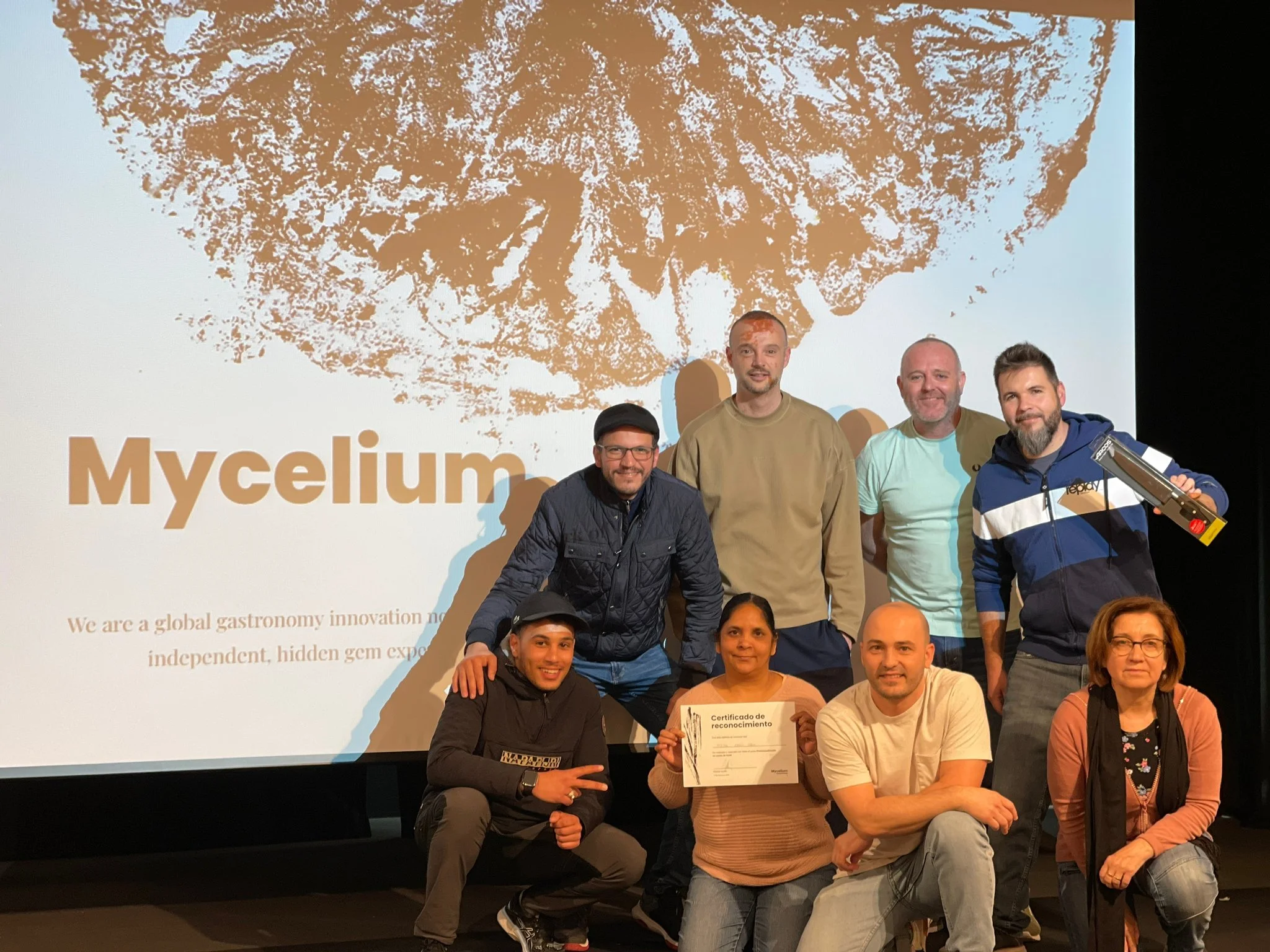
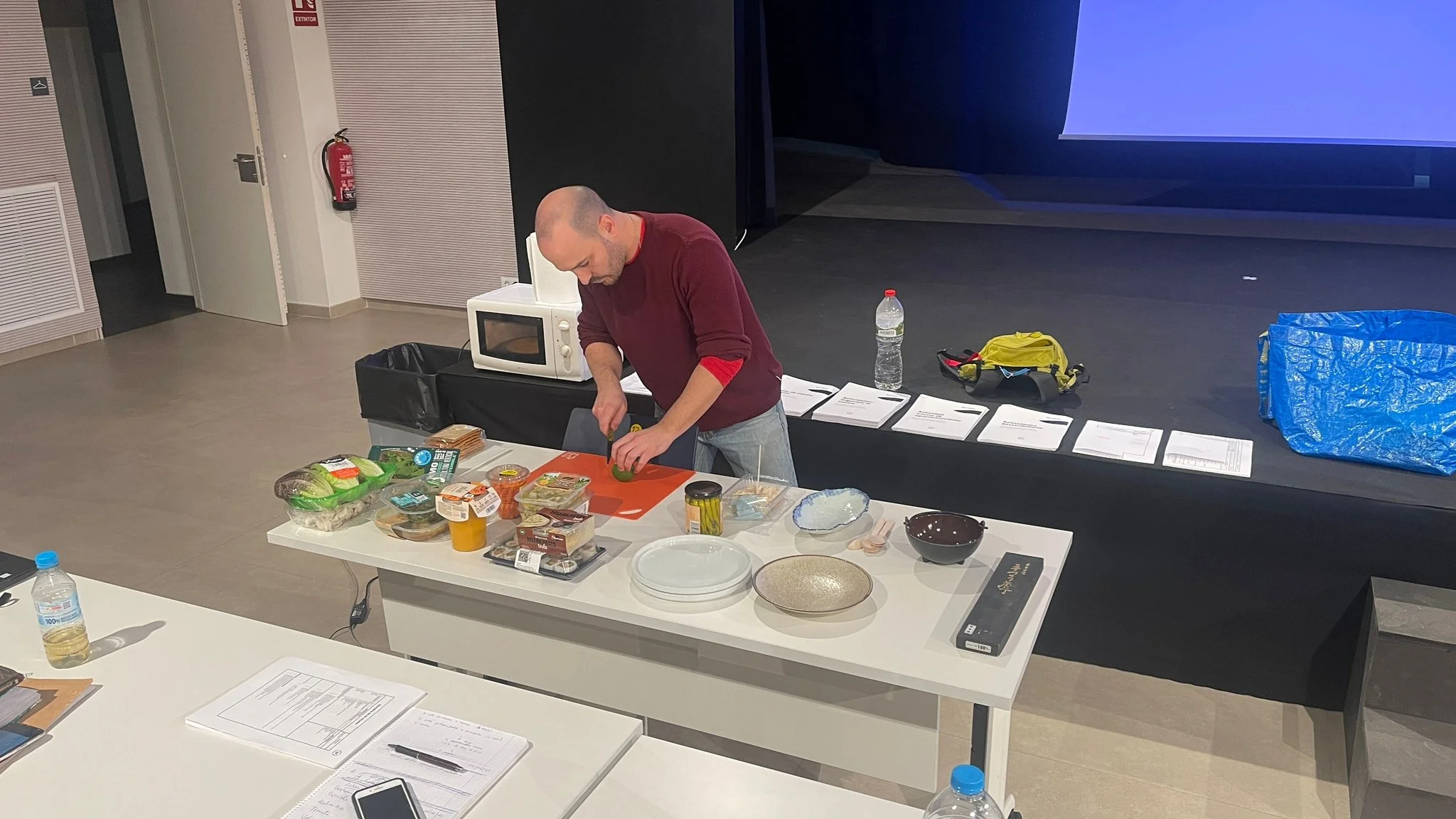
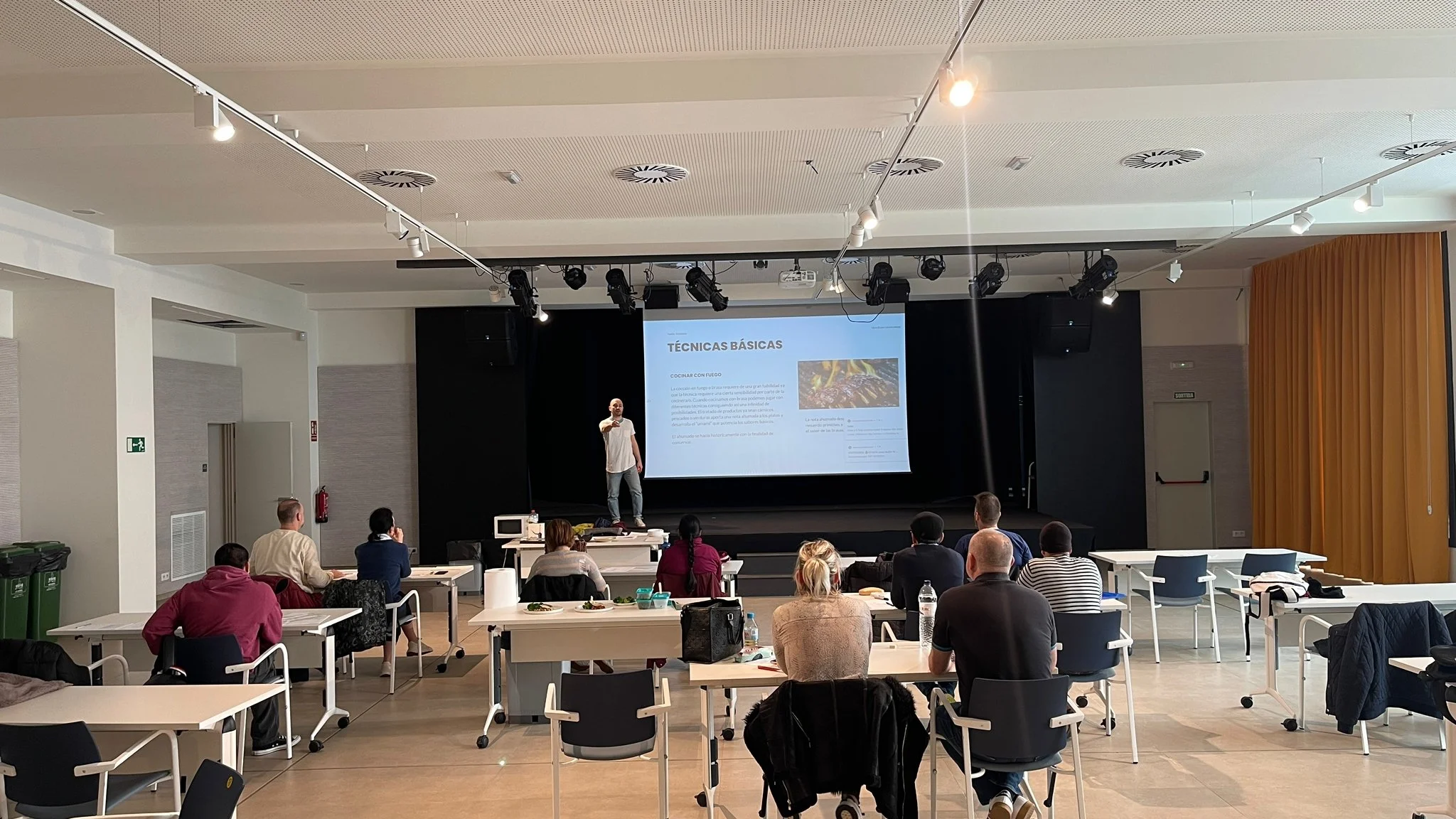
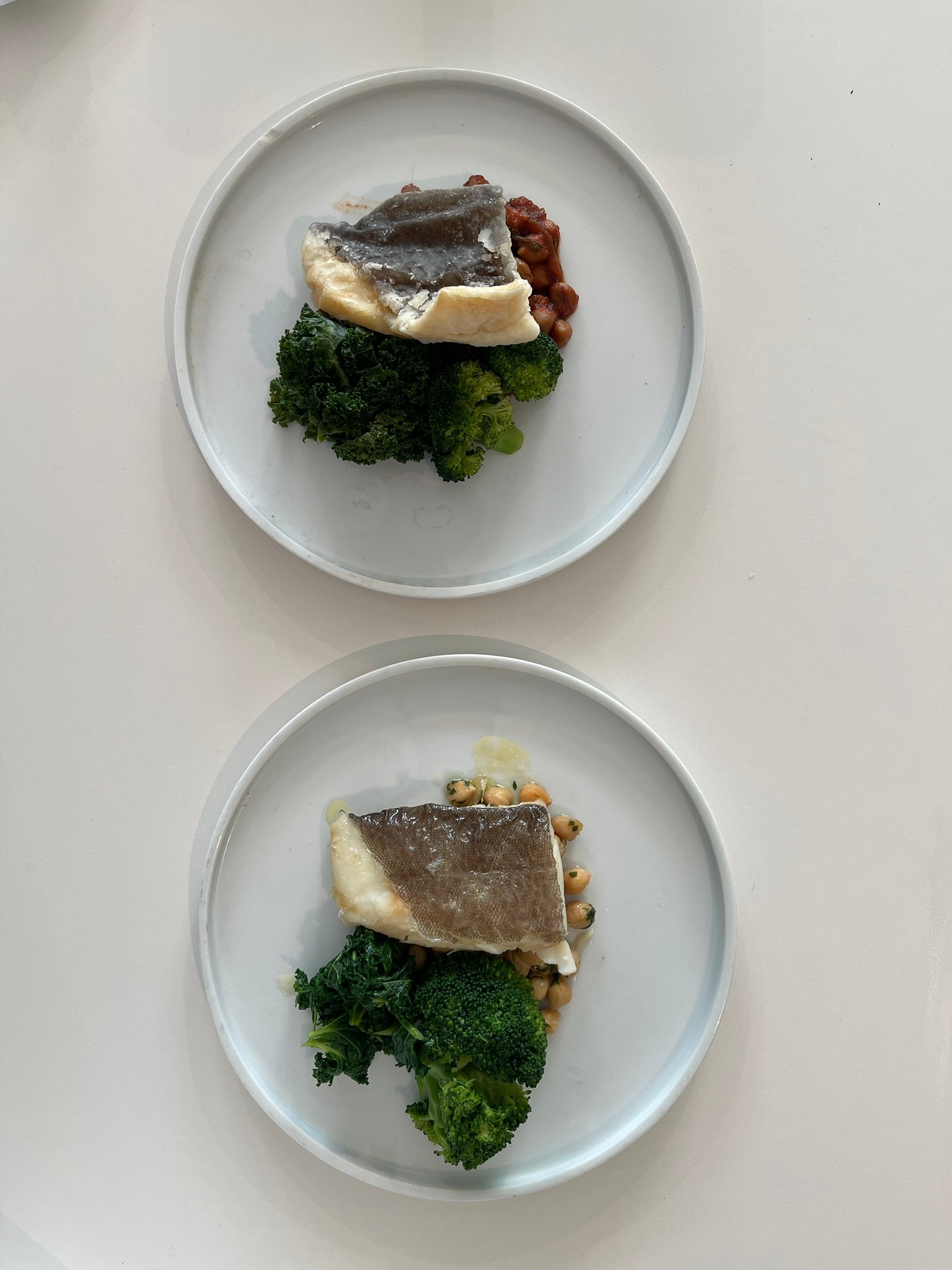
The aim was to create a program to promote the sustainable development of the hotel industry in the area and, specifically, to prepare and professionalize possible employment seekers for summer season opportunities in local hotels. Mycelium was tasked to create the training program according to the needs of employers and employment seekers.
To ensure applicability, the project was structured in two phases:
Semi-structure interviews with employers to understand in depth the needs, interests, and challenges identified in their working environment to properly design and execute a gastronomic hotel offer, mainly focused on the buffet format.
Course content design with an active learning approach and inspired in real cases.
The Challenge
How can we design a culinary course with a multidisciplinary approach to promote the sustainable development of the hotel industry in Santa Susanna?
How we tackled it
Qualitative research and co-creation of the course
The team interviewed different profiles to make a diagnostic of the needs of the hotel industry as a baseline for designing the course content. Based on those interviews, we co-created a 2-week ad-hoc program that included training in:
Food safety
Culinary techniques and basic preparations
Kitchen organization and process optimization.
Menu development for hotels
Costings and menu engineering
Marketing and online presence.
Emotional management in the workplace
Sustainability.
Lastly, we measure the short-term impact of the course focusing on their self-efficacy, related to individuals’ beliefs and ability to carry out behaviors to produce specific outcomes and their satisfaction with the course.
Results
10 graduates from the program.
An opportunity to develop gastronomic entrepreneurship programs has been spotted, thanks to the holistic approach of the program
Deliverables
For the qualitative research phase:
+2 hours of interviews
A complete portfolio with the synthesized results from the interviews and identified challenges
For the 2-week ad-hoc program:
40 hours module with a multidisciplinary approach.
+50 activities to put into practice the theoretical content.
+10 resources as templates, presentations, and notes
Scope
Participation of 5 professionals from different disciplines, 10 graduate students, and more than 60 pages of quality culinary content, resources and activities.
Significantly increased in the culinary self-efficacy of the graduate students in the course
Meet the Team Involved
Patricia Jurado
Linda Silva
Albert Ortiz
Estefania Simon-Sasyk
Julen Urtasun
Soraya Martínez
“The course has been a complete success! We are very happy with this course and we hope to keep this collaboration ongoing.”